
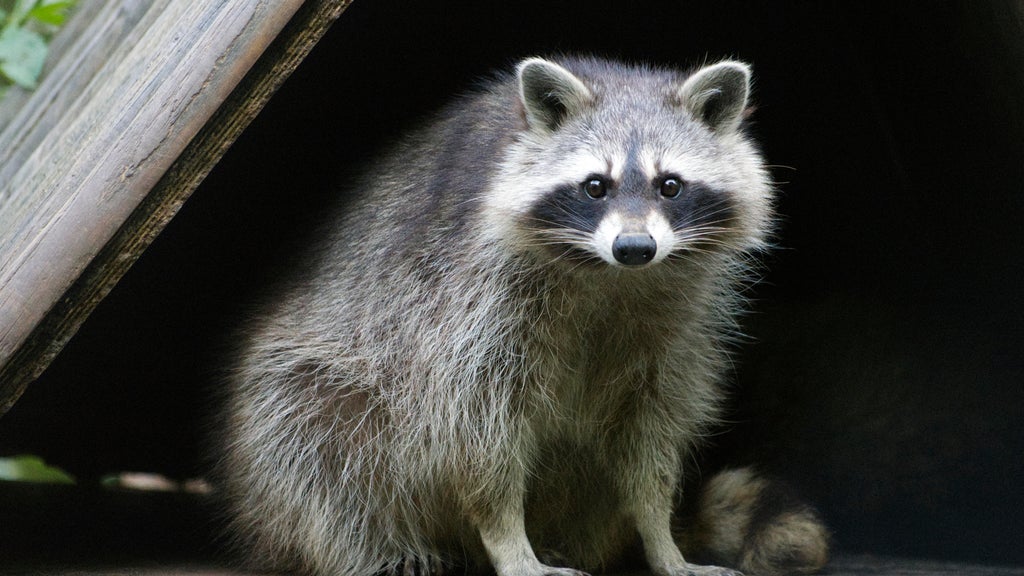
The Los Angeles County Department of Public Health discovered another raccoon that tested positive for rabies, the second case in more than 50 years.
"The detection of rabies in another raccoon is an important reminder to never touch, handle, or feed any wild animals, even when they appear healthy," said Dr. Muntu Davis, LA County Health Officer. "Always keep a safe distance from wildlife and contact your local animal control if you encounter an animal that appears to be sick, injured, or behaving unusually."
While Public Health staff are still testing the origin of the second case, they learned that the first raccoon was positive for a rabies variant typically found in bats.
Officials said they found the sick and aggressive second raccoon in a Westlake Village backyard near the first case. Two people at a worksite were exposed to the raccoon and are receiving recommended emergency rabies treatment to prevent infection.
Public Health said rabies exposures typically begin with rabid bats. LA County reported a record-breaking number of 77 rabid bats so far this year.
While no pets were exposed to the second rabid raccoon, officials urged residents to make sure their pets are up to date on rabies vaccinations.
"It is also critical to ensure your pets are up to date on rabies vaccination so they are protected before any potential exposure," Davis said. "Keeping your pets vaccinated is one of the most important steps you can take to protect your entire family."
Officials urged anyone bitten by a wild animal to seek medical advice immediately and report the case to Public Health. They also asked pet owners to take their pets to a veterinarian if a wild animal bites them.
Rabies is a nearly 100% fatal viral disease in people and animals, according to Public Health.
Warning signs of rabies infection in wildlife include:
Typical symptoms in humans include:
In animals, symptoms typically start with non-specific signs such as vomiting and respiratory distress but can progress to neurological signs like:
Public Health urged residents to report any animals with these symptoms to their local animal control office.


